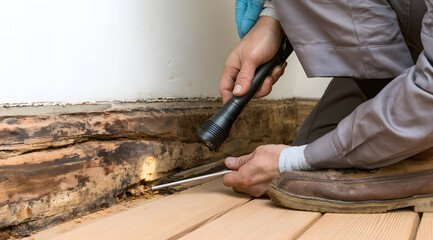
When homeowners schedule a pest control service, one of the first questions they often ask is how long it will take to see results. Whether dealing with ants in the kitchen, cockroaches in the basement, rodents in the attic, or spiders around the home, everyone wants the problem resolved as quickly as possible. While some treatments begin working almost immediately, others require time to reduce pest populations and address the source of the infestation.
The timeline depends on several factors, including the type of pest, the severity of the infestation, the treatment method, and the conditions around the property. Understanding how quickly Port St Lucie Pest Control starts working helps homeowners set realistic expectations and appreciate the importance of long-term pest management.
What Determines How Quickly Pest Control Works?
The speed of pest control depends largely on the type of pest being treated. Some insects, such as ants or cockroaches, may begin encountering treatment products within hours after they are applied, while others may take several days before noticeable reductions in activity occur. Rodents may require additional time because trapping, baiting, and exclusion techniques often work gradually as pests travel through their normal pathways. Every pest behaves differently, so treatment timelines naturally vary. Understanding pest behavior helps explain why results are not always immediate.
The severity of the infestation also plays an important role in determining how quickly pest control becomes effective. A small infestation discovered early is generally easier to eliminate than a large population that has been growing for weeks or months. When pests have established multiple nesting sites or hidden colonies, treatment may require several visits before the problem is fully resolved. Larger infestations simply take longer to reduce. Early intervention often produces the fastest results.
What Happens Immediately After a Pest Control Treatment?
After a professional treatment is completed, homeowners may continue seeing pests for a short period. This does not necessarily mean the treatment has failed. Many pest control products are designed to allow insects to return to their nesting areas before they die, helping spread the treatment throughout the colony. Increased pest activity during the first few days can actually be a normal part of the process. This temporary increase often occurs because pests are disturbed from their hiding places.
During this early stage, it is important to avoid interfering with treatment areas unless instructed otherwise. Cleaning treated surfaces too soon or moving traps and bait stations may reduce the effectiveness of the pest management plan. Following the recommendations provided after treatment gives the products sufficient time to work as intended. Patience is often necessary during the first several days. Allowing the treatment to perform properly improves long-term results.
How Long Does It Take for Different Pests to Respond?
Different pests respond to treatment at different rates because of their unique behaviors and life cycles. Ants and cockroaches may show noticeable reductions within several days, although complete colony elimination can take one to three weeks depending on the size of the infestation. Rodents often require several days or even a few weeks because bait stations, traps, and exclusion methods gradually reduce the population while preventing new rodents from entering the property. Consistent monitoring helps confirm that treatment is progressing successfully.
Termites, bed bugs, fleas, and certain other pests frequently require multiple treatments or ongoing monitoring because they are more difficult to eliminate completely. These pests often hide in locations that are difficult to access, making complete control more challenging. Their life cycles may also require follow-up visits to address newly emerging insects after the initial treatment. Professional inspections help determine whether additional service is necessary. Every infestation follows its own treatment timeline.
Why Are Follow-Up Visits Sometimes Necessary?
Many pest control programs include follow-up visits because one treatment may not eliminate every stage of an infestation. Eggs, hidden nests, or newly emerging pests may remain after the initial application. Follow-up inspections allow technicians to evaluate treatment effectiveness, monitor remaining activity, and make adjustments if necessary. Continued monitoring helps ensure the infestation is progressing toward complete control. Multiple visits often produce more reliable long-term results.
Follow-up services also provide an opportunity to identify environmental conditions that may contribute to future infestations. Moisture problems, structural gaps, food sources, or landscaping issues can all attract pests even after the original infestation has been eliminated. Correcting these conditions helps reduce the likelihood of recurring problems. Pest control is most effective when treatment is combined with prevention. Long-term success depends on more than simply eliminating visible pests.
What Can Homeowners Do to Help Treatments Work Faster?
Homeowners play an important role in supporting successful pest control treatments. Keeping kitchens clean, storing food in sealed containers, removing trash promptly, and reducing clutter eliminate many of the resources pests depend on for survival. These simple habits make it more difficult for insects and rodents to remain active after treatment. Good sanitation strengthens the effectiveness of professional pest management. Clean environments discourage pest activity.
Exterior maintenance is equally important for improving treatment success. Sealing cracks around windows and doors, repairing damaged screens, trimming vegetation away from the home, and eliminating standing water reduce opportunities for pests to enter the property. Homeowners should also follow any post-treatment instructions regarding cleaning schedules or restricted access to treated areas. These recommendations help maximize the effectiveness of the service. Cooperation between homeowners and pest control professionals often produces the best results.
What If You Still See Pests After Treatment?
Seeing pests after treatment can be frustrating, but it is often a normal part of the pest control process. Many pests continue moving through treated areas before the products fully affect them. In some cases, insects may become more visible because they are leaving hidden nesting sites after being disturbed by treatment. This temporary increase in activity usually decreases as the treatment continues working. Patience is often necessary during the first several days or weeks.
If pest activity continues well beyond the expected treatment timeline, homeowners should contact their pest control provider for further evaluation. A follow-up inspection may identify additional nesting areas, new entry points, or environmental conditions that require attention. Adjustments to the treatment plan may be recommended depending on the type of pest involved. Ongoing communication helps ensure the problem is resolved effectively. Professional monitoring provides valuable reassurance throughout the process.
How Does Preventive Pest Control Improve Long-Term Results?
Preventive pest control helps reduce future infestations by addressing problems before they become serious. Regular inspections allow technicians to identify early signs of pest activity, refresh protective treatments when appropriate, and recommend maintenance improvements that discourage pests from returning. This proactive approach often reduces the need for more extensive treatments later. Prevention is one of the most effective forms of pest management. Consistent maintenance protects the home throughout the year.
Routine service also allows treatment strategies to adapt as seasons change and different pests become active. Spring, summer, autumn, and winter each present unique pest challenges that may require different preventative measures. Scheduled inspections help ensure the property remains protected regardless of changing environmental conditions. Ongoing pest management provides greater confidence than waiting for infestations to develop. Long-term prevention supports healthier and more comfortable living environments.
Final Thoughts
How quickly pest control starts working depends on several factors, including the type of pest, the size of the infestation, the treatment method, and the property’s overall condition. While some homeowners notice improvements within hours or days, complete pest elimination often requires additional time, follow-up visits, and preventive maintenance. Understanding the treatment process helps set realistic expectations while highlighting the importance of patience and cooperation throughout the service. By combining professional pest control with good property maintenance and ongoing prevention, homeowners can achieve lasting protection and reduce the likelihood of future infestations.