A kitchen makeover does not always have to begin with tearing out perfectly functional cabinets. Many homeowners assume that once laminate cabinets begin looking outdated or worn, replacement is the only practical solution. Fortunately, that is not always the case. Modern Cabinet Refinishing Sacramento techniques have made it possible to update many laminate cabinets, giving kitchens a fresh appearance without the expense and disruption of a full renovation.
Understanding whether laminate cabinets can be refinished, how the process works, and what factors influence the final results helps homeowners make informed decisions about one of the most noticeable features in their kitchen.
What Are Laminate Cabinets?
Laminate cabinets are constructed by applying a thin decorative laminate layer over a manufactured wood core, such as medium-density fiberboard or particleboard. The laminate surface is designed to imitate the appearance of painted wood, natural wood grain, stone, or other decorative finishes while providing a smooth and durable exterior. Because laminate is manufactured in many colors and textures, homeowners have numerous design options at a relatively affordable price. These cabinets have become a popular choice in both new construction and remodeling projects because they combine functionality with cost effectiveness.
Unlike solid wood cabinets, laminate cabinets do not absorb stains or paint in the same way because of their nonporous surface. The laminate layer acts as a protective barrier that resists moisture, everyday wear, and many common household stains. While this durability offers several advantages, it also creates unique challenges when homeowners decide they want to update the appearance of their cabinets. Understanding how laminate differs from wood helps explain why refinishing requires a different approach. Proper preparation is essential for achieving attractive and long lasting results.
Can Laminate Cabinets Really Be Refinished?
Yes, many laminate cabinets can be refinished successfully, provided they remain structurally sound. Cabinets with intact laminate surfaces, secure doors, and minimal water damage often make good candidates for refinishing. Rather than replacing the cabinet boxes entirely, refinishing focuses on improving the appearance of the existing surfaces through careful preparation and the application of new finishes. This allows homeowners to achieve a significantly updated kitchen while preserving cabinets that still function well. Refinishing offers an attractive alternative to complete replacement in many situations.
However, not every laminate cabinet is suitable for refinishing. Cabinets with extensive water damage, severe swelling, peeling laminate, broken structural components, or deteriorated substrate materials may no longer provide a stable foundation for new finishes. Before beginning any refinishing project, the condition of the cabinets should be evaluated carefully. Cosmetic wear is usually much easier to address than structural deterioration. Understanding the difference between appearance issues and structural problems helps determine whether refinishing is the most practical solution.
How Does the Laminate Cabinet Refinishing Process Work?
The refinishing process begins with a thorough inspection of the cabinet surfaces. Dirt, grease, cooking residue, and cleaning product buildup are carefully removed because contaminants can interfere with proper adhesion. Kitchens naturally accumulate oils over time, particularly around cooking areas, making cleaning one of the most important preparation steps. Once the surfaces are clean, the cabinets are evaluated for scratches, chips, loose laminate, or other imperfections that may require attention before refinishing begins. Careful preparation establishes the foundation for a successful finish.
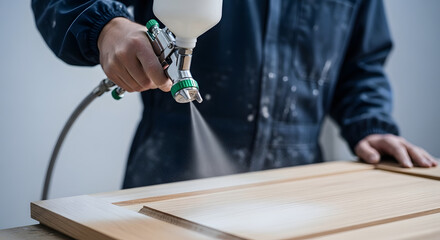
After cleaning, the laminate surface is prepared to improve the bond between the existing material and the new coating. Since laminate is smooth and nonporous, proper surface preparation helps ensure the finish adheres consistently. Any damaged areas may be repaired before the finishing process continues. Once preparation has been completed, specialized coatings designed for laminate surfaces are applied to create a fresh appearance. Allowing each stage to cure properly contributes to a more durable and attractive final result that can significantly transform the look of the kitchen.
What Are the Benefits of Refinishing Laminate Cabinets?
One of the biggest advantages of refinishing laminate cabinets is cost savings. Replacing an entire kitchen cabinet system often requires substantial labor, new materials, and additional work involving countertops, backsplashes, or plumbing fixtures. Refinishing allows homeowners to preserve their existing cabinets while dramatically improving their appearance. Because the cabinet boxes remain in place, the project is generally less disruptive than a complete renovation. Many homeowners appreciate being able to refresh their kitchen without undertaking a major remodeling project.
Refinishing also provides greater design flexibility than many people realize. Updating cabinet color alone can significantly change the overall atmosphere of a kitchen. Light colors may create a brighter and more spacious feeling, while darker finishes introduce warmth and sophistication. Modern finishes allow homeowners to coordinate cabinets with updated flooring, countertops, lighting, or decorative hardware without replacing every cabinet. Refinishing therefore becomes an opportunity to modernize the kitchen while extending the useful life of existing cabinetry.
What Factors Affect the Success of Cabinet Refinishing?
The condition of the existing laminate plays one of the most important roles in determining the overall success of refinishing. Cabinets that remain flat, secure, and free from significant peeling generally produce better results than surfaces affected by moisture damage or severe deterioration. Minor scratches, fading, or outdated colors are often cosmetic concerns that refinishing can successfully address. Structural damage, however, may require more extensive repairs before refinishing becomes practical. Evaluating cabinet condition carefully helps establish realistic expectations before work begins.
Preparation quality also has a significant impact on long term performance. Laminate requires proper cleaning and surface preparation because finishes rely on strong adhesion rather than absorption into the material. Skipping preparation steps may reduce durability or affect the appearance of the completed project. Environmental conditions during application and adequate curing time also contribute to the longevity of the finish. Careful attention throughout the refinishing process helps produce attractive results that withstand everyday kitchen use.
How Can Homeowners Maintain Refinished Laminate Cabinets?
Proper care after refinishing helps preserve the appearance of laminate cabinets for many years. Gentle routine cleaning removes dust, cooking residue, and fingerprints before buildup becomes difficult to remove. Soft cloths and nonabrasive cleaning products generally help protect the finish while maintaining a clean appearance. Harsh scrubbing pads and aggressive chemical cleaners should be avoided because they may gradually wear the protective surface. Consistent but gentle maintenance supports long term durability.
Moisture management is equally important because kitchens naturally experience changing humidity levels. Water should not be allowed to remain on cabinet surfaces for extended periods, particularly around sinks and dishwashers where exposure occurs more frequently. Promptly wiping away spills helps reduce unnecessary stress on both the finish and the cabinet materials beneath the laminate. Homeowners should also avoid slamming cabinet doors or allowing sharp objects to damage the finished surfaces. These simple habits help maintain the updated appearance long after refinishing has been completed.
When Is Cabinet Replacement a Better Option?
Although refinishing offers many advantages, there are situations where replacement provides the more practical long term solution. Cabinets with extensive structural damage, severe water intrusion, widespread swelling, or failing cabinet boxes may no longer provide a stable foundation for refinishing. If the underlying structure has deteriorated significantly, improving the surface appearance alone may not solve the larger problem. Replacement allows homeowners to correct structural deficiencies while redesigning the kitchen layout if desired.
Replacement may also become appropriate when homeowners want major functional changes rather than cosmetic improvements. Adding significantly different cabinet configurations, increasing storage capacity, or changing the overall kitchen layout typically requires installing new cabinetry. In these situations, refinishing cannot provide the desired level of transformation. Carefully evaluating both the condition of the existing cabinets and the homeowner’s renovation goals helps determine which option offers the greatest long term value. Choosing the right solution depends on balancing appearance, functionality, and budget.
Final Thoughts
So, can laminate cabinets be refinished? In many cases, the answer is yes. Cabinets that remain structurally sound often respond well to proper refinishing, allowing homeowners to update the appearance of their kitchen without the cost and disruption of full cabinet replacement. Careful preparation, attention to surface condition, and appropriate finishing techniques all contribute to attractive and durable results. While severely damaged cabinets may require replacement, many laminate cabinets can enjoy a fresh new look through refinishing alone. Understanding the process and maintaining refinished surfaces properly allows homeowners to extend the life of their cabinetry while creating a kitchen that feels modern, inviting, and refreshed.