Water leaks are not always easy to spot. While a dripping faucet or a leaking pipe under a sink is usually obvious, many plumbing leaks occur behind walls, beneath floors, inside ceilings, or underground where they remain hidden for weeks or even months. During that time, water can slowly damage structural materials, increase utility bills, and create conditions that encourage mold growth. Identifying leaks early is one of the most effective ways to protect a home’s plumbing system and reduce costly repairs. Understanding how leak detection works helps homeowners recognize warning signs and appreciate the value of prompt professional inspection.
Why Is Leak Detection Important?
Leak Detection Westminster is important because even a small plumbing leak can lead to significant property damage if it continues unnoticed. Water that slowly escapes from damaged pipes may saturate drywall, insulation, flooring, wooden framing, and other building materials over time. As moisture spreads, repairs often become more extensive and expensive than they would have been if the leak had been found earlier. Early detection helps minimize both structural damage and repair costs. Addressing leaks promptly protects the overall condition of the home.
Hidden leaks can also waste a surprising amount of water. A continuously leaking pipe, toilet, or plumbing fixture may increase monthly water bills without homeowners immediately realizing the cause. Because many leaks occur inside walls or beneath floors, the only early warning may be an unexplained increase in water usage. Detecting these problems quickly helps reduce unnecessary water consumption while improving plumbing efficiency. Water conservation is an additional benefit of timely leak detection.
What Are the Signs of a Hidden Water Leak?
Many hidden plumbing leaks produce subtle warning signs before obvious water damage appears. Homeowners may notice water stains on ceilings or walls, peeling paint, bubbling drywall, warped flooring, or damp carpeting without immediately identifying the source. A musty odor inside certain rooms may also indicate moisture trapped behind finished surfaces where mold can begin developing. These early indicators should not be ignored because hidden leaks rarely resolve on their own. Prompt investigation helps prevent further damage.
An unusually high water bill is another common sign that a hidden plumbing leak may exist. If household water usage has remained consistent but utility costs suddenly increase, a concealed leak could be allowing water to escape continuously. Homeowners may also hear the sound of running water even when no plumbing fixtures are in use. These warning signs often justify a professional plumbing inspection. Early diagnosis limits the extent of future repairs.
How Does Professional Leak Detection Work?
Professional leak detection begins with a careful inspection of the plumbing system and the areas where signs of moisture have been observed. Rather than immediately opening walls or floors, technicians evaluate the home’s plumbing layout, water pressure, visible fixtures, and the reported symptoms to narrow the possible leak location. This organized approach helps reduce unnecessary damage during the inspection process. Accurate diagnosis improves repair efficiency. Careful evaluation forms the foundation of successful leak detection.
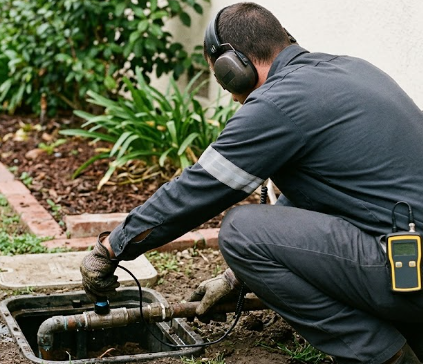
Modern leak detection often uses specialized equipment to locate hidden moisture without extensive demolition. Moisture meters, thermal imaging cameras, acoustic listening devices, pressure testing equipment, and other diagnostic tools help identify leaks concealed behind walls, beneath concrete slabs, or inside ceilings. These technologies allow technicians to locate many leaks with greater accuracy than visual inspection alone. Advanced equipment supports faster and less invasive diagnosis. Precise leak detection often reduces repair costs by limiting unnecessary excavation or wall removal.
What Causes Plumbing Leaks?
Plumbing leaks develop for many different reasons depending on the age and condition of the plumbing system. Corrosion inside older metal pipes may gradually weaken the pipe walls until small leaks begin forming. Pipe joints may also loosen over time due to normal expansion, contraction, vibration, or changes in water pressure. Even small openings can allow water to escape continuously if left unrepaired. Aging plumbing systems often require closer monitoring as they become older.
Freezing temperatures, accidental damage, shifting foundations, excessive water pressure, and poor installation practices may also contribute to plumbing leaks. Underground water lines can crack as soil moves naturally over time, while household fixtures such as toilets, faucets, water heaters, and washing machine supply lines may eventually develop leaks because of worn seals or aging components. Understanding the cause of the leak helps determine the most effective repair strategy. Every plumbing system experiences different challenges throughout its lifespan.
Which Areas of the Home Are Most Likely to Develop Leaks?
Leaks commonly occur in areas where plumbing fixtures receive frequent use. Kitchens, bathrooms, laundry rooms, and utility rooms contain multiple water supply lines and drain connections that may eventually require maintenance. Toilets, sinks, dishwashers, washing machines, refrigerators with water lines, and water heaters all contain components that may wear over time. Regular inspection of these fixtures helps identify developing problems before significant water damage occurs. High-use areas deserve particular attention.
Hidden plumbing lines running inside walls, ceilings, crawl spaces, basements, and beneath concrete slabs may also develop leaks without immediately becoming visible. Because these pipes remain concealed behind finished surfaces, moisture may accumulate for long periods before homeowners notice warning signs. Routine plumbing inspections provide valuable opportunities to identify hidden leaks before they cause structural deterioration. Monitoring less visible plumbing components strengthens overall leak prevention. Early detection protects the entire plumbing system.
How Can Homeowners Help Prevent Plumbing Leaks?
Preventive maintenance is one of the most effective ways to reduce the likelihood of plumbing leaks. Regularly inspecting visible plumbing fixtures for corrosion, moisture, loose fittings, or small drips allows homeowners to address minor problems before they become larger repairs. Water heaters, supply lines, shut-off valves, faucets, and exposed pipes should all be examined periodically for signs of wear. Routine maintenance supports long-term plumbing reliability. Small repairs often prevent major water damage.
Homeowners should also remain alert for changes in water pressure, unusual sounds inside plumbing pipes, or unexplained increases in water usage. During colder months, protecting exposed pipes from freezing temperatures helps reduce the risk of burst pipes and sudden leaks. Promptly repairing damaged caulking around sinks, tubs, and showers also prevents water from reaching hidden structural materials. Consistent maintenance helps preserve the plumbing system throughout the year. Prevention remains the best defense against hidden leaks.
When Should You Call a Professional for Leak Detection?
While homeowners can often identify visible plumbing leaks, hidden leaks usually require professional evaluation. Water stains that continue expanding, recurring moisture problems, mold growth, persistent musty odors, or unexplained increases in water bills may all indicate concealed plumbing damage that requires specialized equipment to locate accurately. Delaying professional inspection often allows the damage to become more extensive. Early intervention improves repair outcomes while reducing restoration costs.
Professional plumbers have the knowledge and diagnostic tools needed to identify leaks with minimal disruption to the property. Rather than relying on trial and error, they systematically evaluate the plumbing system, locate the source of the leak, and recommend the most appropriate repair method. Accurate diagnosis helps avoid unnecessary demolition while ensuring repairs address the actual cause of the problem. Investing in professional leak detection provides homeowners with greater confidence and long-term plumbing protection.
Final Thoughts
Leak detection plays a vital role in protecting homes from hidden plumbing problems that can lead to costly structural damage, higher water bills, and reduced indoor comfort. Through early identification, careful inspection, and specialized diagnostic equipment, hidden leaks can often be located before they develop into major restoration projects. Regular plumbing maintenance, routine inspections, and prompt attention to warning signs all contribute to a healthier and more reliable plumbing system. By understanding the importance of leak detection, homeowners can respond quickly to plumbing problems while protecting both their property and their long-term investment.