Modern commercial buildings are no longer powered by electricity alone. They are driven by data. From cloud-based communication platforms and security surveillance systems to automated lighting controls and smart building management software, data cabling now operates alongside traditional power distribution as an equally critical infrastructure component. Integrating data cabling and power systems in Commercial Electrical Installation requires thoughtful planning, technical precision, and long-term scalability considerations. When properly designed and installed, these interconnected systems support operational efficiency, reliability, and future growth.
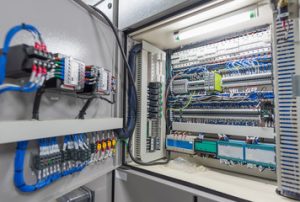
In earlier decades, electrical installations focused primarily on delivering safe and stable power to lighting, outlets, and heavy equipment. Today, commercial properties must support high-speed internet connectivity, VoIP communications, access control systems, wireless networks, audiovisual technology, and advanced monitoring tools. The challenge lies in integrating low-voltage data cabling with high-voltage power systems without compromising performance or safety. Electrical contractors must ensure that these systems coexist seamlessly while adhering to strict code requirements and performance standards.
The foundation of successful integration begins during the design phase. Power and data systems should never be treated as separate afterthoughts. Instead, they must be coordinated from the outset to avoid interference, overcrowded pathways, or inefficient layouts. Electrical engineers and low-voltage specialists collaborate to map cable routes, determine equipment locations, and calculate load requirements. Early coordination prevents costly redesigns and ensures that conduit runs, cable trays, and distribution panels accommodate both current and anticipated future demands.
One of the most critical technical considerations is electromagnetic interference (EMI). High-voltage power cables can generate electromagnetic fields that disrupt data transmission if cabling is improperly routed. This interference may result in reduced network speeds, dropped connections, or corrupted signals. To mitigate this risk, installers maintain appropriate separation distances between power conductors and data cables. Shielded cabling and properly grounded pathways further reduce the likelihood of interference. Adhering to established installation best practices ensures that data systems perform reliably in electrically dense environments.
Compliance with safety standards remains paramount when integrating power and data systems. The National Fire Protection Association publishes the National Electrical Code, which outlines guidelines for wiring methods, cable separation, grounding, and fire protection. These standards help prevent hazards such as overheating, short circuits, and signal disruption. While data cabling operates at lower voltage levels, it must still comply with fire-rating requirements and installation regulations to maintain overall building safety.
Proper grounding and bonding are essential in both power and data installations. Grounding provides a safe path for fault currents and stabilizes voltage levels. In data systems, grounding minimizes signal distortion and protects sensitive equipment from transient surges. A unified grounding strategy ensures that all components share a consistent reference point, reducing the risk of electrical noise and equipment damage. Electrical contractors verify that grounding conductors, bonding jumpers, and equipment racks are securely connected and compliant with applicable standards.
Cable management is another crucial element in large-scale commercial installations. Organized routing not only enhances performance but also simplifies maintenance and future expansion. Overcrowded cable trays and improperly bundled wires can trap heat, increase signal interference, and create safety hazards. Structured cabling systems, labeled pathways, and designated separation zones contribute to a clean and accessible infrastructure. Well-executed cable management reflects quality workmanship and supports efficient troubleshooting when issues arise.
Scalability is increasingly important in commercial electrical design. Businesses evolve rapidly, adding employees, upgrading technology, and expanding digital capabilities. Integrating data cabling and power systems with scalability in mind prevents costly retrofits. Installing additional conduit capacity, modular patch panels, and accessible cable trays allows organizations to expand their networks without disrupting operations. Forward-thinking design ensures that infrastructure keeps pace with technological advancements rather than becoming a limiting factor.
Energy efficiency also plays a role in system integration. Modern commercial environments often incorporate Power over Ethernet (PoE) technology, which delivers both data and low-voltage power through a single cable. This approach simplifies installation and reduces the need for separate electrical outlets for devices such as security cameras, wireless access points, and smart lighting controls. However, PoE systems require careful load calculations to prevent overheating and ensure sufficient power delivery. Integrating these technologies effectively requires collaboration between electrical and IT professionals.
When integrating data cabling and power systems, several best practices guide successful implementation:
- Maintain appropriate separation between high-voltage and low-voltage pathways to minimize interference and comply with code requirements.
- Use high-quality, fire-rated cabling that meets performance standards for bandwidth and safety.
- Implement structured cabling systems with clear labeling to support future maintenance and scalability.
- Coordinate installation schedules to prevent conflicts between trades and reduce project delays.
These practices may appear straightforward, but their execution demands technical expertise and meticulous planning. Overlooking even minor details can result in performance issues or code violations.
Security considerations further underscore the importance of integrated design. Commercial buildings rely on interconnected systems for surveillance, access control, and alarm monitoring. These systems depend on reliable data transmission and stable power supply. A power disruption affecting network equipment can compromise security infrastructure. Integrating backup power solutions such as uninterruptible power supplies ensures that critical systems remain operational during outages. This layered approach enhances resilience and protects both physical assets and sensitive information.
Testing and commissioning are vital phases in any commercial electrical installation. After cabling and power systems are installed, comprehensive testing verifies performance and compliance. Data cables undergo certification testing to confirm bandwidth capacity and signal integrity. Power circuits are evaluated for proper voltage levels, grounding continuity, and breaker functionality. Thorough commissioning ensures that integrated systems operate harmoniously and meet design specifications before the facility becomes fully operational.
Documentation also plays a critical role in long-term success. Detailed as-built drawings, cable schedules, and panel directories provide valuable reference points for future maintenance or upgrades. Without accurate documentation, troubleshooting can become time-consuming and disruptive. Organized records demonstrate professionalism and support efficient facility management.
Maintenance planning should not be overlooked once installation is complete. Both power and data systems require periodic inspection to maintain performance. Dust accumulation, loose connections, or environmental factors can impact reliability over time. Preventive maintenance programs include routine inspections of panels, cable trays, and network racks. Addressing minor issues proactively reduces the likelihood of unexpected downtime.
The integration of renewable energy systems and smart building technologies adds another layer of complexity. Solar panels, battery storage, and energy management systems interact with both power distribution and data networks. These components must communicate seamlessly to optimize energy consumption and monitor performance. Coordinating these technologies during installation ensures compatibility and efficient operation.
Cost considerations often influence decisions during commercial installations. While it may be tempting to reduce upfront expenses by simplifying cabling layouts or using lower-grade materials, such compromises can lead to higher lifecycle costs. Investing in durable components, thoughtful design, and professional installation pays dividends in reliability and scalability. High-quality integration reduces the risk of performance bottlenecks and supports long-term operational efficiency.
Communication among stakeholders is essential throughout the project lifecycle. Electrical contractors, IT specialists, architects, and facility managers must collaborate to align objectives and address challenges. Clear communication prevents misunderstandings and ensures that both power and data requirements are met without compromise. When integration is approached as a unified effort rather than segmented tasks, the resulting infrastructure is more cohesive and resilient.
In conclusion, integrating data cabling and power systems in commercial electrical installations is a sophisticated process that demands strategic planning, technical precision, and adherence to safety standards. As commercial buildings become increasingly technology-driven, seamless coordination between electrical and data infrastructure is essential. Proper separation, grounding, scalability planning, and comprehensive testing ensure reliable performance and long-term adaptability.
Businesses depend on uninterrupted connectivity and stable power to remain competitive. By investing in integrated electrical and data systems designed for efficiency and growth, property owners create a foundation for operational excellence. Thoughtful integration not only enhances performance today but also positions commercial facilities to embrace future technological advancements with confidence.