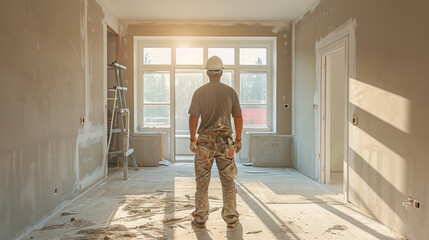
Drywall services can help shape a house’s interior aesthetic, as well as provide sound insulation. Professionals offer a variety of textures and designs to reflect personal style preferences.
Handyman Mt Juliet prioritize streamlined procedures, minimizing disruptions to daily routines. They also follow safety protocols and adhere to environmental regulations. In addition, they recycle drywall materials to reduce construction waste.
Installation
Drywall installation is a critical step in building or renovating residential spaces. Proper drywall installation requires precise measurements and the use of quality materials to achieve a smooth, durable finish. A professional drywall contractor can ensure that your project goes smoothly and meets your expectations.
The installation process for drywall begins with the measurement of walls or ceilings. A tape measure and a square help to create accurate measurements. The drywall is then cut to size with a utility knife and scored to allow it to snap off at the score mark. Once the drywall is installed, it is covered with joint compound to reinforce and seal the joints. It is then sanded to remove any rough edges or corners. After sanding, the drywall is ready for painting or other finishing treatments.
Drywall installation can be a challenging task for the average homeowner. But, by following some basic tips, you can save money and time on your next home improvement project. First, it’s important to understand the different types of drywall and their cost. The thickness of the drywall is an important factor in its overall price. Thinner quarter-inch panels are less expensive, but they’re not as strong as three-eighths-inch or half-inch drywall.
It is also important to identify signs of water damage in drywall. This can prevent further damage and costly repairs down the road. Common indicators of water damage include discoloration, warping, and mold growth. Taking immediate action can mitigate these issues and avoid potential health hazards.
Professional drywall contractors can provide a variety of services, including patching, new installations, and finishing. They can also handle larger projects like installing a ceiling or building a room addition. These professionals can be hired for either short- or long-term jobs, depending on the customer’s needs.
Many drywall contractors offer project-based pricing, which makes it easier for homeowners to budget for repairs. This method of billing also provides clearer cost estimates compared to traditional hourly rates.
Drywallers are trained in a variety of fields, from construction management to safety practices. Some drywallers learn the trade through on-the-job training while others participate in apprenticeship programs. These programs combine classroom study with practical experience and can last up to four years.
Repair
Drywall is an indispensable part of most modern homes, but it is not immune to damage. Whether it’s a dent from moving furniture or a hole left behind after plumbing repairs, drywall is prone to many common issues that can be difficult to fix without professional help. Professional drywall contractors have the skills and experience necessary to handle the job quickly and efficiently. Using the right materials and techniques, they can ensure that your walls look as good as new.
Known by various names, including sheetrock, wallboard, and gypsum board, drywall is an essential building material that keeps houses affordable, safe, and comfortable. It is also fire-resistant and can be made soundproof to improve privacy. A drywall installer carefully mounts the sheets to wall studs or ceiling joists, concealing the seams with joint tape and fiber mesh, and applies layers of a special compound, sometimes called “mud.” This is then sanded for a smooth finish and is ready for painting.
When hiring a contractor for drywall services, be sure to ask for references and check online reviews. Look for a company with a proven track record of customer satisfaction and excellent workmanship. A reputable drywall contractor will take the time to explain the process in detail, answer any questions, and keep you updated as the work progresses. It’s also important to find a contractor that is fully licensed and insured. This protects you in case of any unforeseen accidents or property damage that may occur during the project.
A professional contractor from MJ Workforce Solutions will begin by assessing the damage to determine the size and cause of the issue. They will then prepare the area by removing any loose drywall and preparing the surface for adhesion of repair materials. They will use a drywall knife to apply joint compound, and sand the patch and surrounding areas for a smooth, flawless finish. They will also take steps to prevent dust from contaminating the rest of your home or business, such as sealing off the work area and wearing protective clothing.
The drywall repair process can be difficult to navigate, but it’s critical to get it done right. A DIY approach can result in unsightly holes and dents that can be expensive to repair. Choosing a professional will ensure that the repair is completed correctly, saving you money and time in the long run.
Customization
Drywall is the quintessential construction material, forming the backbone of most modern walls and ceilings. It is fire-resistant, insulating, and lightweight, making it a cost-efficient alternative to other building materials. Moreover, it can be customized with additives for additional properties like moisture resistance and soundproofing. Hence, it plays a pivotal role in shaping the functionality and aesthetics of modern structures.
One of the most important aspects of drywall installation is customizing it to fit the unique dimensions and needs of the space. This step requires a great deal of skill, precision, and attention to detail. A professional drywall contractor will be able to create a smooth, flawless finish that perfectly matches the space’s design and layout. They will also be able to address any issues that may arise during the process, such as sagging walls or water damage.
Moreover, a drywall contractor will be able to advise you on the best type of drywall to use for your specific project. In addition to recommending the right thickness, they will also help you choose the appropriate size of sheets for your room. It is essential to measure your wall and ceiling before ordering drywall, as this will ensure that you order the correct amount. You can then divide this measurement by 32 feet (the size of a typical sheet) to determine how many sheets you need.
Another aspect of drywall customization is adding textures and finishes to the surface. This can add depth and character to the room, and make it feel more like a home. A drywall contractor can offer a wide range of options for customizing a space, from simple one-coat plaster to complex texture applications.
A drywall contractor can also customize commercial spaces to match their brand and ethos. They can apply a variety of texturing and finishing techniques to create a unique look that will set them apart from their competitors. This can also serve as a way to increase employee morale and overall productivity.
Regardless of the type of renovation project, it is always a good idea to hire a qualified Brooklyn drywall contractor. A reputable company will be licensed and insured, follow strict safety protocols, and have a long history of working with drywall. They will be able to diagnose and fix any problems quickly, and can save you time and money by minimizing the need for future repairs.
Time efficiency
Drywall is present in most commercial and residential buildings, but few people know how it’s made or where it comes from. Also known as Sheetrock, wallboard, or plasterboard, drywall is a versatile material that can be customized to fit a range of design specifications. Its fire resistance and sound insulation capabilities make it a great choice for office and retail spaces. In addition, drywall can be easily installed in curved walls and archways to accommodate unique architectural designs.
When properly installed, drywall provides a strong and durable surface for painting, wallpapers, and other decorative materials. Drywall experts can create a seamless look by taping, mudding, and sanding joints and seams, ensuring that the finished product is visually appealing and flawless. Drywall can also be used to create a variety of textures and patterns, which adds to the aesthetic flexibility of interior design.
During construction, drywall can help reduce waste and cleanup costs by limiting the amount of dust and debris produced. Its precise installation process also saves time and resources by requiring fewer laborers to handle the material. Moreover, the material can be cut to precise dimensions, reducing excess waste and minimizing expenses on materials like joint compound.
While drywall is environmentally friendly, it’s vulnerable to moisture damage. When exposed to water, gypsum will soften and eventually turn into a gooey paste, which can lead to mold growth and structural damage. Additionally, the paper facings and organic additives of drywall can become food for mold if they are saturated with water. In order to prevent this, drywall should be protected from exposure to water and must be regularly checked for mold and water damage.
The optimal seasons for drywall installation and repair are spring and summer due to their dry climates. Professional drywall services can efficiently install or repair drywall in these seasons, allowing them to complete projects more quickly than DIY homeowners. Using modern software tools and mobile apps for project management, field service estimating, and labor tracking helps drywall contractors finish jobs more quickly and accurately.
Investing in high-quality tools can significantly expedite the drywall repair process and increase productivity. For instance, reliable power drills and accurate measurement instruments can significantly speed up the process of repairing drywall damage. These investment options may seem costly at first, but they are worthwhile in the long run.