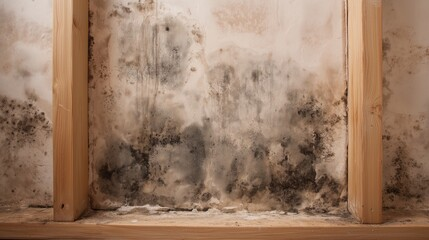
A burst pipe, overflowing appliance, or severe storm can change the condition of a home in just a matter of hours. What may appear to be a small amount of water on the floor often hides a much larger problem beneath the surface. Moisture can seep into walls, flooring, insulation, and structural materials long before visible damage becomes obvious.
If water is not addressed quickly, it can continue spreading throughout the property and lead to costly repairs that could have been prevented. Understanding what All Pro Remediation is and why it plays such an important role helps homeowners make informed decisions when unexpected water damage occurs.
What Is Water Damage Remediation?
Water damage remediation is the process of identifying, removing, and addressing water intrusion while restoring affected areas to a safe and stable condition. The primary goal is to stop additional damage from occurring by eliminating excess moisture and reducing the risk of long-term structural problems. Unlike simply cleaning up standing water, remediation involves a comprehensive approach that addresses both visible and hidden moisture throughout the property. It includes inspection, water removal, drying, cleaning, and monitoring to ensure the affected materials have been properly treated. Every stage of the process focuses on preventing additional deterioration while preserving as much of the property as possible.
Water damage remediation also involves determining the source of the water intrusion before restoration begins. Whether the moisture originated from a plumbing leak, appliance failure, roof damage, or severe weather, correcting the source is essential for preventing recurring problems. Simply drying the visible water without resolving the underlying cause often results in repeated damage. A complete remediation process ensures that both the immediate water problem and the conditions that caused it are addressed together. This comprehensive approach provides a stronger foundation for successful restoration and long-term property protection.
Why Is Acting Quickly So Important?
Time is one of the most important factors when dealing with water damage. Water begins affecting building materials almost immediately after exposure, and the longer moisture remains, the greater the potential for damage. Drywall absorbs water quickly, wood begins to swell, flooring materials may warp, and insulation loses much of its effectiveness when saturated. Even if surfaces appear to dry naturally, moisture often remains trapped inside walls, beneath flooring, and within structural components. Prompt remediation limits the amount of material affected and reduces the overall extent of repairs.
Delaying remediation also allows moisture to spread farther throughout the home. Water naturally follows gravity, traveling through framing, ceilings, and hidden cavities before eventually appearing in unexpected locations. A leak that begins in one room may eventually affect several others before becoming visible. Early intervention helps stop this progression before additional structural materials become saturated. Responding quickly not only reduces repair costs but also shortens the overall recovery process and helps homeowners return to normal living conditions sooner.
What Steps Are Involved in Water Damage Remediation?
The remediation process begins with a thorough inspection to evaluate the extent of the damage. Every affected area is examined to determine where moisture has spread and which building materials have been impacted. Since water often travels beyond what is immediately visible, careful evaluation helps create an accurate remediation plan. Identifying the full extent of the damage ensures that hidden moisture is not overlooked. A detailed assessment forms the basis for every successful remediation project.
Once the inspection is complete, standing water is removed using specialized extraction equipment whenever necessary. After water removal, drying equipment is used to reduce moisture levels within affected materials and surrounding air. The drying stage is carefully monitored because moisture trapped inside walls, subfloors, or ceilings may require additional time to fully dissipate. Cleaning and sanitizing affected areas may also be necessary depending on the source of the water intrusion. Throughout the process, moisture levels are monitored until acceptable drying conditions have been achieved.
What Types of Water Damage Can Affect a Home?
Residential water damage can occur for many different reasons, and each situation presents unique challenges. Plumbing failures are among the most common causes, including leaking pipes, broken supply lines, overflowing toilets, and damaged water heaters. Household appliances such as washing machines, refrigerators, and dishwashers may also develop leaks that remain hidden for extended periods. Roof leaks caused by damaged shingles or flashing frequently allow rainwater to enter attics before spreading into ceilings and walls. Each source requires prompt attention to prevent additional deterioration.
Natural weather events also contribute significantly to residential water damage. Heavy rainfall, flooding, severe storms, and rapid snowmelt may introduce large amounts of water into basements, crawl spaces, or living areas. Poor drainage around the home’s foundation can allow groundwater to seep through cracks and create ongoing moisture problems. Even condensation from poorly ventilated spaces may contribute to hidden water damage over time. Understanding these common sources helps homeowners recognize potential risks before serious structural damage develops.
How Does Water Damage Affect Building Materials?
Water affects nearly every material found inside a home, although the severity varies depending on the amount of moisture and the length of exposure. Drywall absorbs water rapidly and may soften, swell, or lose its structural integrity. Wood framing, flooring, cabinets, and trim often expand when exposed to moisture and may later shrink or crack as they dry. Flooring materials such as hardwood, laminate, and carpet may become warped, stained, or permanently damaged if water remains for too long. These changes often continue even after visible water has disappeared.
Hidden moisture can be particularly damaging because homeowners may not realize it remains inside walls or beneath flooring. Insulation that becomes saturated loses much of its ability to regulate indoor temperatures. Adhesives used beneath flooring materials may weaken, causing surfaces to separate or buckle. Ceiling materials may sag as trapped water increases their weight. Without proper remediation, moisture continues affecting these materials long after the initial leak has stopped, making early intervention especially important.
Why Is Professional Moisture Detection Important?
One of the biggest challenges with water damage is that moisture is often hidden from view. Water can travel behind walls, beneath flooring, above ceilings, and inside structural cavities without producing immediate visible signs. Relying only on what can be seen may leave significant moisture trapped inside the home. Hidden moisture continues affecting building materials even when surfaces appear dry. Professional moisture detection helps identify these concealed areas before additional damage occurs.
Accurate moisture detection also improves the efficiency of the remediation process. Instead of removing unaffected materials unnecessarily, attention can be focused on the specific areas where moisture remains. This targeted approach reduces unnecessary disruption while ensuring that all affected locations receive proper drying. Moisture monitoring throughout remediation confirms that building materials have reached appropriate dryness before restoration begins. Thorough evaluation reduces the likelihood of recurring moisture issues and helps ensure long-term success.
How Can Homeowners Help Prevent Future Water Damage?
Although not every water emergency can be prevented, homeowners can reduce their risk through regular maintenance and routine inspections. Plumbing fixtures, appliance connections, roofing materials, gutters, and drainage systems should all be examined periodically for signs of wear or leaks. Addressing small maintenance issues promptly often prevents much larger problems from developing later. Looking beneath sinks, around water heaters, and behind appliances for signs of moisture can reveal hidden leaks during their earliest stages. Preventive maintenance remains one of the most effective ways to protect a home from unexpected water damage.
Proper drainage around the property also plays an important role in prevention. Gutters should remain clean so rainwater flows freely through downspouts and away from the foundation. Landscaping should encourage water to drain away from the structure rather than collect near exterior walls. Indoor humidity should be controlled through proper ventilation, particularly in kitchens, bathrooms, and laundry rooms where moisture levels naturally increase. Consistent maintenance helps reduce the likelihood of future water damage while preserving the long-term condition of the home.
Final Thoughts
Water damage remediation is far more than removing visible water from a property. It is a comprehensive process that identifies hidden moisture, addresses the source of water intrusion, restores affected materials, and helps prevent long-term structural damage. Acting quickly after a water event significantly reduces the extent of repairs while protecting flooring, walls, ceilings, insulation, and other important building components. Understanding the importance of proper remediation allows homeowners to respond confidently when unexpected water damage occurs. Combined with regular maintenance and early attention to warning signs, effective water damage remediation helps preserve the safety, comfort, and long-term value of a home.